BESTWALL QUARRY ARCHAEOLOGY PROJECT 1992-2005
In 1992, planning permission was granted for the extraction of gravel on a 55 hectare site to the east of Wareham. In the absence of archaeological conditions (apart from a small known area of Roman activity), Lilian Ladle was approached to undertake monitoring and recording of the site. Fifteen years of incredibly exciting excavation followed, uncovering activity over an 11,000 year period. Over 200 individuals were involved in the project including school children, university students (many), volunteers and academic specialists. Open Days drew hundreds of visitors to view the archaeology. The work could not have progressed without the support of Aggregate Industries and in the later stages, English Heritage.
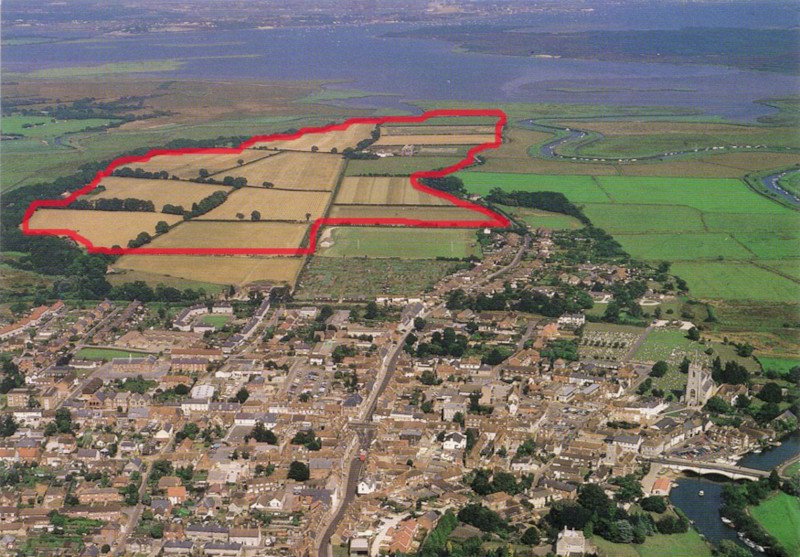
The photo below shows the area covered by the excavations.
The following timeline highlights activities and development of this extremely important rural site:
Early Mesolithic c. 9000 BCE
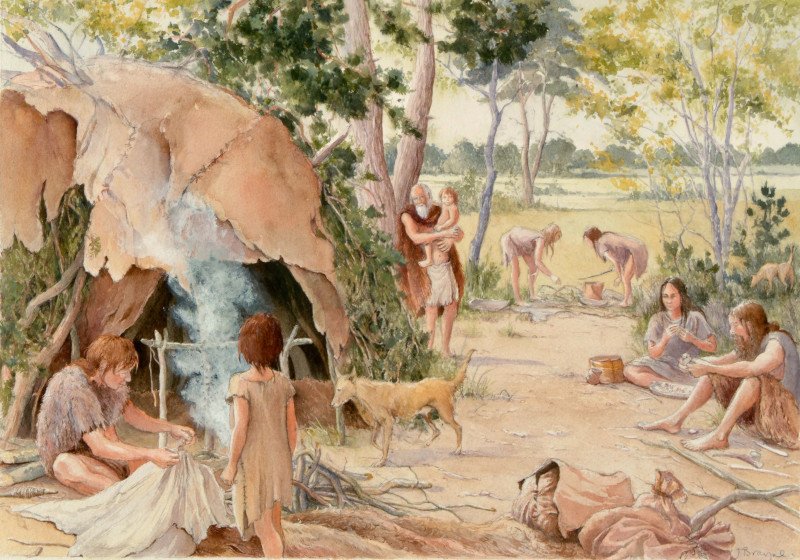
A small group of hunter-gatherers camped on the south side of the River Piddle, exploiting the natural resources and repairing their flint tool kits.
Illustration of life in the early Mesolithic
Early Neolithic c. 4000-3000 BCE
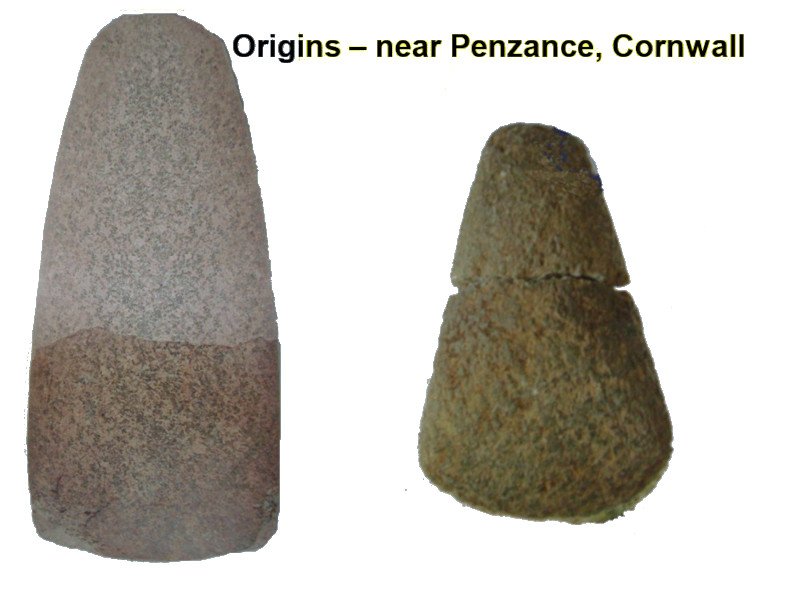
Pottery, flint tools and axes of Cornish stone confirm woodland clearance and pit digging activities.
Late Neolithic c. 3000BCE
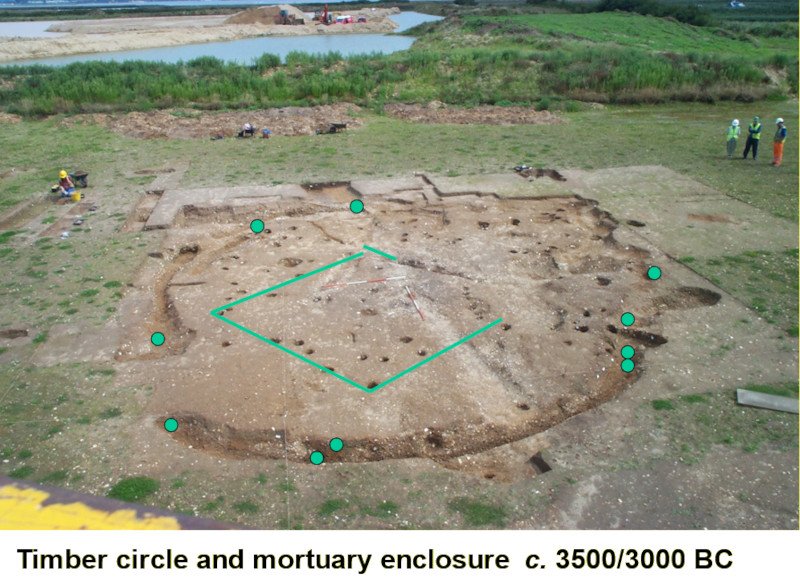
A small posthole circle overlooking the River Frome was succeeded by a circular ditched enclosure containing a rectangular building, probably a mortuary house.
Early Bronze Age c. 200-1500 BCE
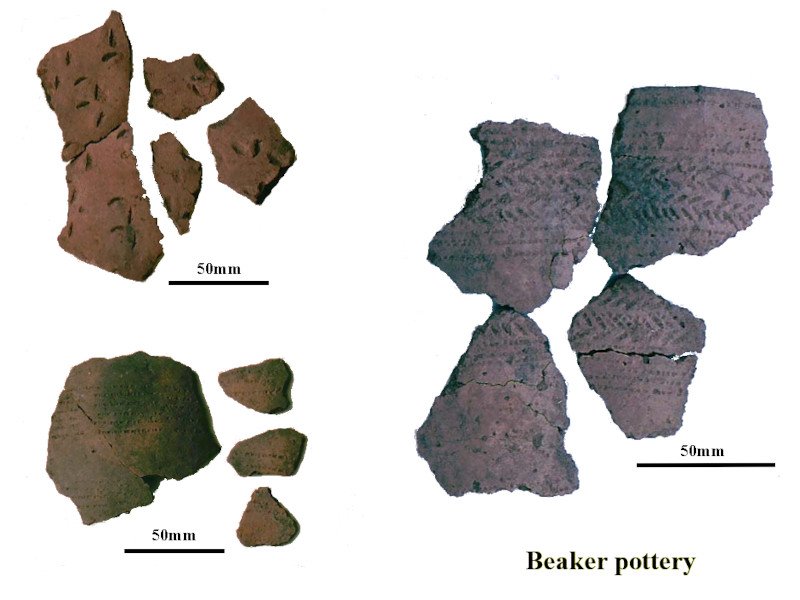
The first field systems were set out. Pits and wasters are evidence for pottery production
Middle Bronze Age c. 1500-950 BCE
Further fields were added, together with at least ten contemporary roundhouses. Four cremation burials were associated with the occupation areas, together with a large number of pits containing domestic, agricultural, industrial and ritual artefacts.
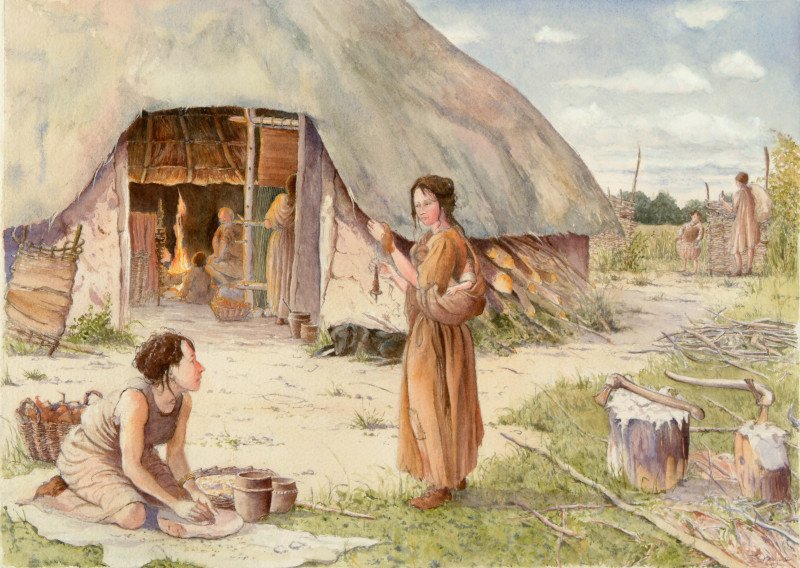
Late Bronze Age c. 900-800 BCE
The field systems were not maintained, but four further roundhouses were built. Agricultural activity was implicit in the presence of animal bones and cereal remains.
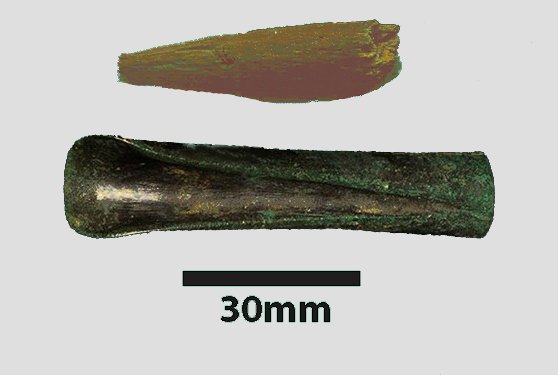
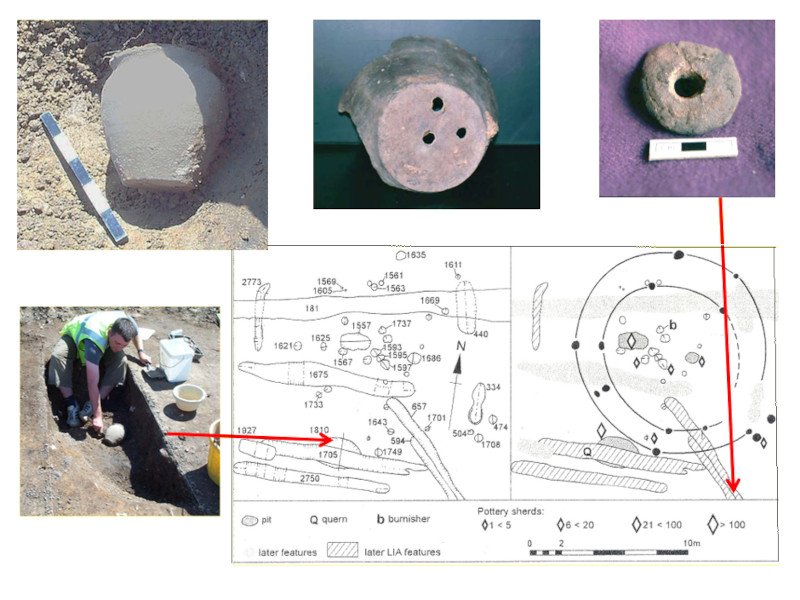
Iron Age c. 800 BCE-43 CE
Field systems were re-established, and two roundhouses were constructed near the eastern end of the peninsula, probably associated with the production of pottery.
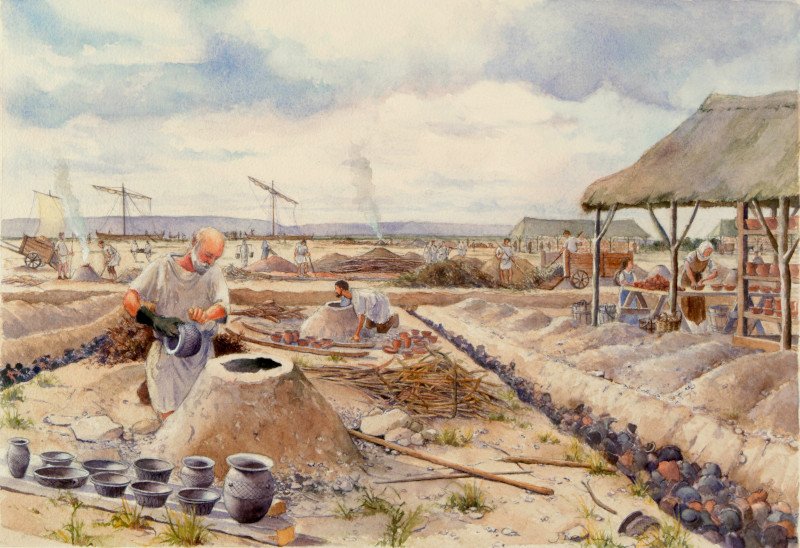
Roman c. 43-420 CE
An extensive pottery production site was developed overlooking the River Frome, where ‘Black Burnished ware’ vessels were fired in 25 kilns over a period of about 220 years. This favoured kitchenware was exported all over Britain as well as northern France, Belgium and the Netherlands. The industry continued, albeit on a reduced scale, after the withdrawal of Roman influence in the early 5th century. Throughout this period, agricultural regimes continued.
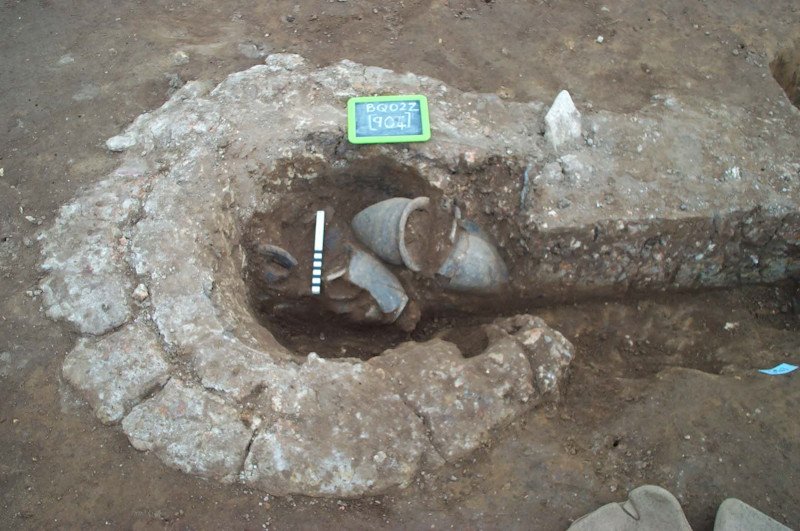
Post-Roman and Saxon c. 420-1066
The field systems were abandoned, but oak woodland on the site was exploited and used for charcoal production between 410 and 990 CE. A total of 1089 charcoal-filled pits were excavated and were associated with the smelting and smithing of iron.
Saxon charcoal pit
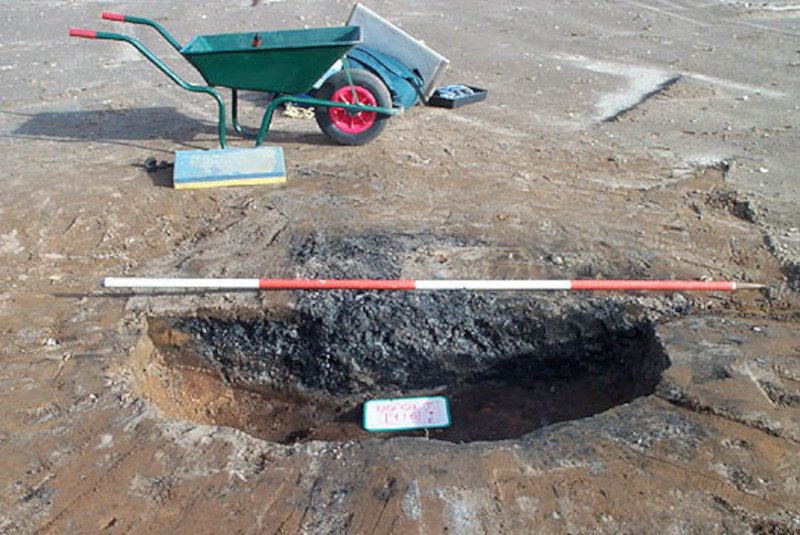
Charcoal pit with slag
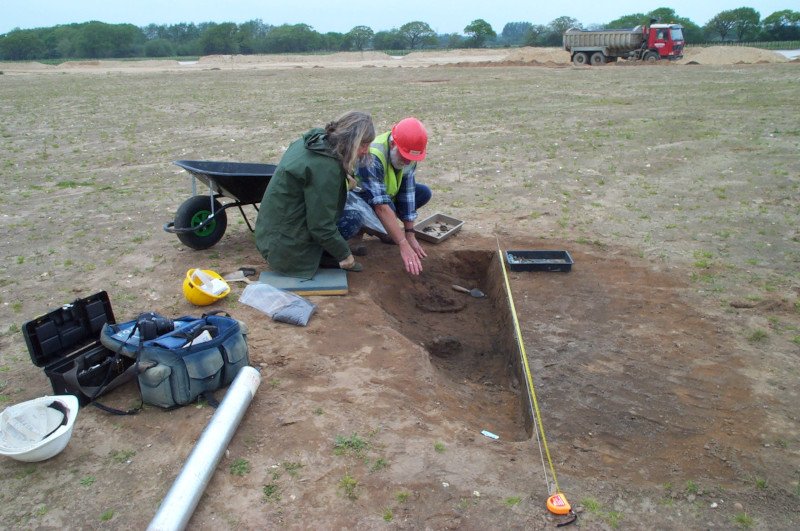
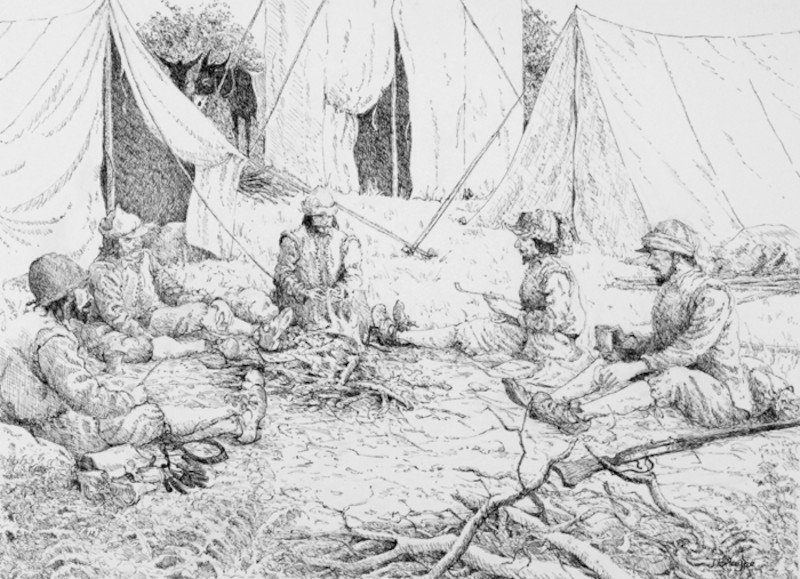
English Civil War August 1664
A Royalist camp at Bestwall was surrendered, after an attack by Parliamentary forces. Scattered musket balls, clay pipes, pottery, animal bone and metalwork including coins defined the battle area.
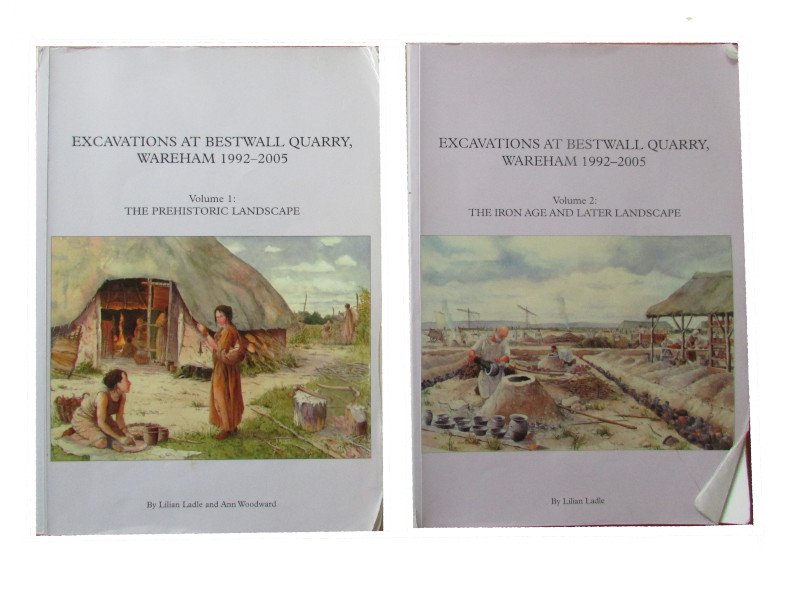
The results were published in two monographs
Ladle, L., and Woodward, A., 2009 Excavations at Bestwall Quarry, Wareham 1992-2005. Volume 1: The Prehistoric Landscape, Dorset Natural History and Archaeological Society Monograph No. 19
Ladle, L., 2012 Excavations at Bestwall Quarry, Wareham 1992-2005. Volume 2: The Iron Age and Later Landscape, Dorset Natural History and Archaeological Society Monograph No. 20